

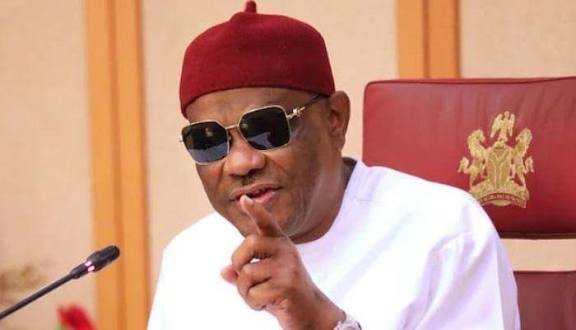
The Minister Of The Federal Capital Territory, Nyesom Wike, Has Taken Fresh Legal Steps To Have Striking Workers Of The Federal Capital Territory Administration (FCTA) Committed To Prison For Ignoring A Court Order.
The Move Follows The Decision Of The Workers To Continue Their Strike Action Despite A Directive Of The National Industrial Court Instructing Them To Suspend The Industrial Action Pending The Determination Of A Case Filed By The FCT Minister.
Wike Has Approached The Court To Activate Contempt Proceedings Against The Workers For What He Described As Open Defiance Of Judicial Authority.
As Part Of The Process, A Legal Notice Known As Form 48 Has Been Issued Against The Striking Workers.
The Document Warns Them Of The Legal Consequences Of Disobeying A Valid Court Order And Signals The Beginning Of Contempt Action That Could Lead To Imprisonment.
The Form Was Obtained On Wike’s Behalf By Senior Advocate Of Nigeria, Dr. Ogwu James Onoja, Of Bar And Bench Chambers, Abuja.
The Notice Is Titled “Notice Of Consequence Of Disobedience Of Order Of Court.”
It States:
“Take Note That Unless You Obey The Directions Contained In The Order Of Honourable Justice E. D. Sublimi Of The National Industrial Court Of Nigeria Delivered 27th Day Of January 2026, You Will Be Guilty Of The Contempt Of Court And Will Be Liable To Be Committed To Prison.”
The Notice Was Dated January 29 And Signed By The Registrar Of The National Industrial Court, Olajide Balogun.
Justice Emmanuel Danjuma Sublimi Had Earlier Ordered The Workers To Immediately Suspend Their Strike.
The Ruling Was Issued On January 27 After An Application By The FCT Minister Seeking An Order Compelling The Workers To Return To Duty.
The Judge Held That Once A Labour Dispute Is Brought Before The National Industrial Court, All Industrial Actions Must Stop Until The Matter Is Resolved.
He Relied On Section 18(1)(E) Of The Trade Disputes Act, Which Provides That Strikes Must Be Suspended When A Dispute Is Formally Referred To The Court.
Justice Sublimi Warned That Failure To Comply With The Law Could Attract Sanctions.
He Added That Maintaining Industrial Peace In The Federal Capital Territory Was More Important Than Any Inconvenience Caused By Suspending The Strike.
Despite Being Served With The Court Order, The Workers Reportedly Resumed Their Industrial Action Four Days Later.
The Workers Claimed They Had Filed A Notice Of Appeal At The Court Of Appeal And Were Therefore Justified In Continuing The Strike.
However, Wike’s Legal Team Rejected That Position.
They Argued That Filing An Appeal Does Not Automatically Suspend The Effect Of A Court Order.
According To The Senior Lawyer, There Must Be A Specific Order Of Court Staying Execution Before The Workers Can Lawfully Resume Their Strike.
In Court Documents, The Legal Team Stated:
“Court Orders Are Not Made In Vain. They Are Made To Be Obeyed For Sanity To Prevail In The Society.”
The Substantive Suit Has Been Adjourned To March 25, 2026, For Hearing.
Wike Had Listed The President And Secretary Of The Joint Union Action Congress (JUAC), Rifkatu Iortyer And Abdullahi Umar Saleh, As Respondents In The Case.
The Industrial Action Began On January 19 When Workers Of The FCTA And The Federal Capital Development Authority (FCDA) Downed Tools Over What They Described As “Unmet Demands” By The Federal Government.
The Strike Led To The Shutdown Of Ministries, Departments And Agencies Under The FCTA.
Area Councils And Several Parastatals In Abuja Were Also Affected, Disrupting Public Services Across The Capital.
Recall That Politics Nigeria Had Earlier Reported The Complete Shutdown Of Activities Across Abuja Following The FCTA Workers’ Strike Over Welfare And Administrative Demands.


0 Comments