

Kurdish rebel groups operating from northern Iraq have reportedly launched a ground incursion into Iran, with indications of support from the United States, according to reports by Israeli and international media outlets.
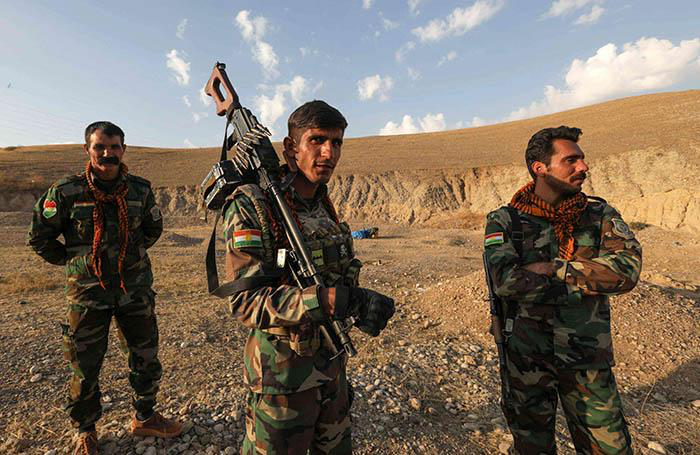
Kurdish officials told the Associated Press that Washington requested their assistance and confirmed communication with U.S. authorities regarding the operation. The development comes amid rising tensions in the region following recent U.S. and Israeli strikes on Iranian targets.
The White House acknowledged that Donald Trump had contact with Kurdish leaders on March 1, a move that has fueled speculation that the U.S. administration may be quietly backing Kurdish forces rather than committing American troops to a ground war inside Iran.
Reports indicate that thousands of Kurdish fighters began moving into Iranian territory from the 2nd, establishing combat positions along the border areas. Images circulating online show Kurdish soldiers undergoing weapons training as preparations for combat intensify.
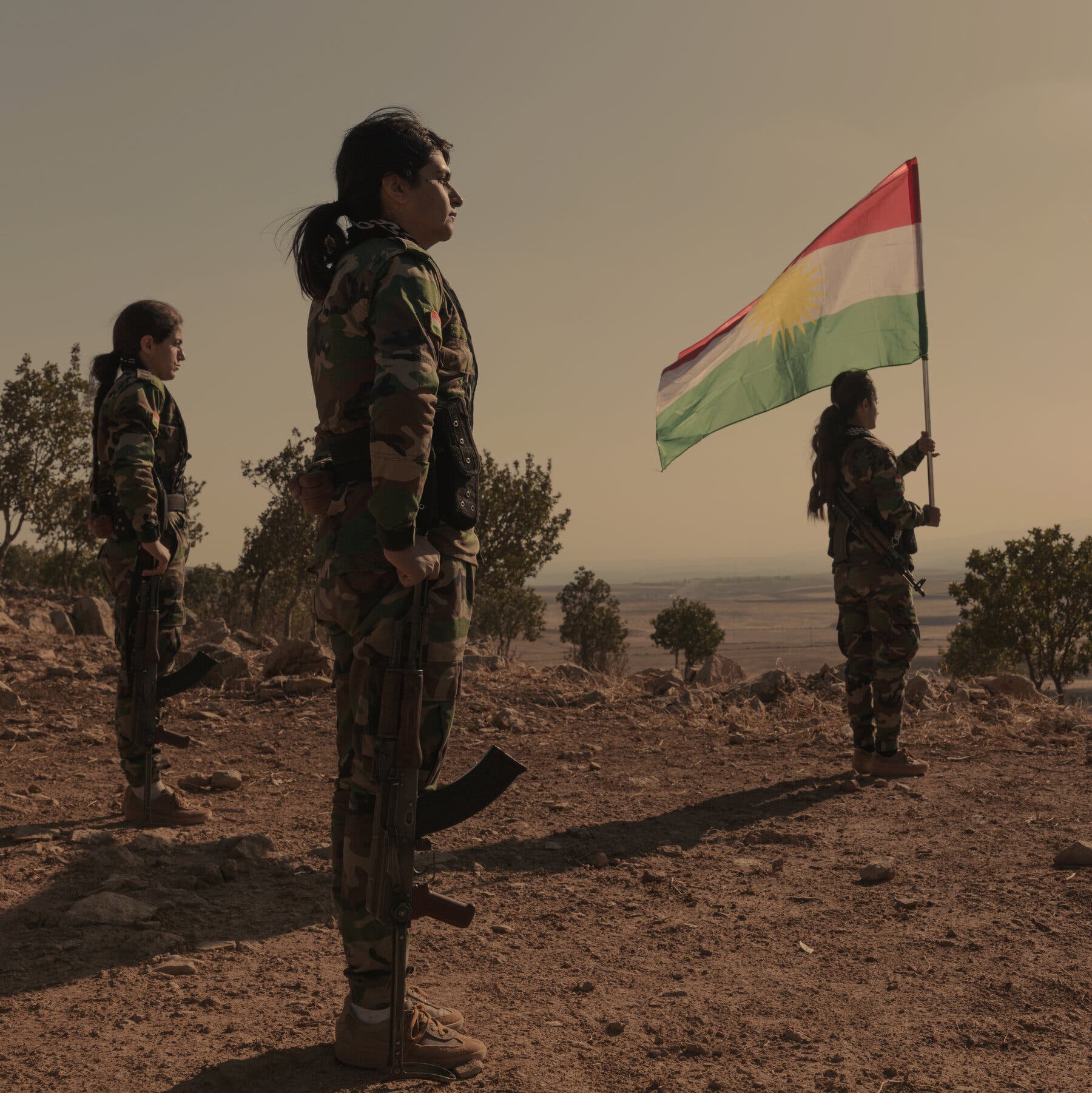
The Kurdish people, estimated to number between 30 and 40 million, are one of the largest ethnic groups in Western Asia without a sovereign state. They are spread across Iran, Iraq, Turkey and Syria. Kurdish communities in Iran have long accused the Iranian government of political repression and have historically formed part of opposition movements against Tehran.
According to reports, the Central Intelligence Agency is exploring plans to supply weapons to Kurdish groups and other opposition forces in an attempt to encourage internal uprisings against the Iranian government. Sources say the Trump administration has been discussing possible military cooperation with Iranian opposition groups and Iraqi Kurdish leaders.
Tensions escalated further after Iran’s elite Islamic Revolutionary Guard Corps carried out drone strikes on Kurdish bases in Iraq late last month, targeting locations believed to host Iranian Kurdish rebel groups. The attacks followed earlier strikes carried out by the United States and Israel on Iranian military infrastructure.
Analysts say Kurdish fighters are considered among the most organized factions opposing Tehran. If large numbers of trained combatants become involved in the conflict, pressure on Iran’s leadership in Tehran could increase significantly.
A U.S. official said mobilization by Kurdish armed groups could create internal instability within Iran and force the country to divert military resources. Discussions have reportedly included the possibility of securing parts of northern Iran as a buffer zone favorable to Israel.
The strategy reflects an effort to rely on regional allies and opposition groups to challenge the Iranian government rather than deploying American ground troops, a move that could carry significant political and military risks.

0 Comments