

Iran’s interim leadership council has appointed Ayatollah Alireza Arafi as the clerical member of the body exercising the powers of the Supreme Leader, following the death of Ayatollah Ali Khamenei.
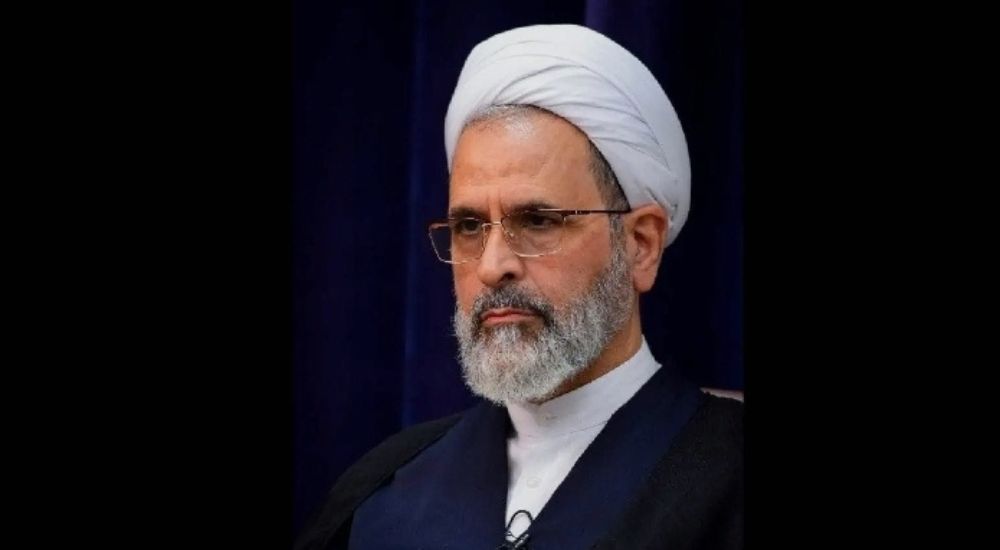
Arafi, a senior Shi’a cleric, assumed the role on March 1, 2026, in line with Article 111 of the Iranian Constitution, which provides for a temporary leadership arrangement pending the selection of a new Supreme Leader by the Assembly of Experts.
Here are ten key facts about the acting Iranian leader:
1. Born in 1959 in Meybod, Yazd Province, Arafi rose through Iran’s clerical ranks over several decades.
2. Ayatollah Alireza Arafi practices Islam, follows the Twelver Shi’a denomination, adheres to Ja‘fari jurisprudence, and upholds the Usuli creed.
3. In Qom, he completed his primary school education. At the same time, he began his seminary courses and preliminary courses. Later, he also attended seminary courses and learned Arabic and English. Furthermore, he studied mathematics and philosophy. (Qom is widely regarded as Iran’s religious capital and a major centre of Shi’a scholarship).
4. Arafi has attained the rank of mujtahid because of his expertise in Islamic jurisprudence and philosophy, and he has authored and co‑authored numerous works on these subjects — including the book Education Jurisprudence (Al‑Fiqh Al‑Tarbawi). Some of his academic articles, published in Iranian journals, cover topics such as Islamic jurisprudence, educational law, and social issues.
5. Between 2008 and 2018, he was President of Al-Mustafa International University, an institution that trains clerics and religious scholars from Iran and abroad.
6. He has served as the Friday Prayer Imam of Qom since 2015.
7. Since 2016, Arafi has headed Iran’s nationwide seminary system, overseeing religious education nationwide.
8. Arafi holds the religious title of Ayatollah, a rank accorded to high-level Shi’a clerics with advanced theological scholarship.
9. He has served as a member of the Guardian Council since 2019, a powerful constitutional body responsible for vetting legislation and supervising elections in Iran.
10. He has also been a member of the Assembly of Experts since 2022, a clerical institution constitutionally mandated to appoint and oversee the Supreme Leader.
The Assembly of Experts is expected to convene to deliberate and eventually appoint a permanent successor, in accordance with constitutional provisions.
His appointment places him at the centre of Iran’s political transition, as the interim leadership council temporarily assumes the responsibilities of the Supreme Leader.
Until that process is concluded, Arafi, alongside other members of the interim council, will help oversee the country’s highest executive and religious authority.
While his current role is interim, his presence on the council makes him a frontrunner for the permanent position of Supreme Leader.
His deep ties to the military, the judiciary, and the seminaries mean he is one of the few figures capable of bridging the gap between Iran’s different power centres.


0 Comments