

US military officials are currently refining strategies to neutralize Iranian defenses within the Strait of Hormuz should the existing ceasefire collapse.
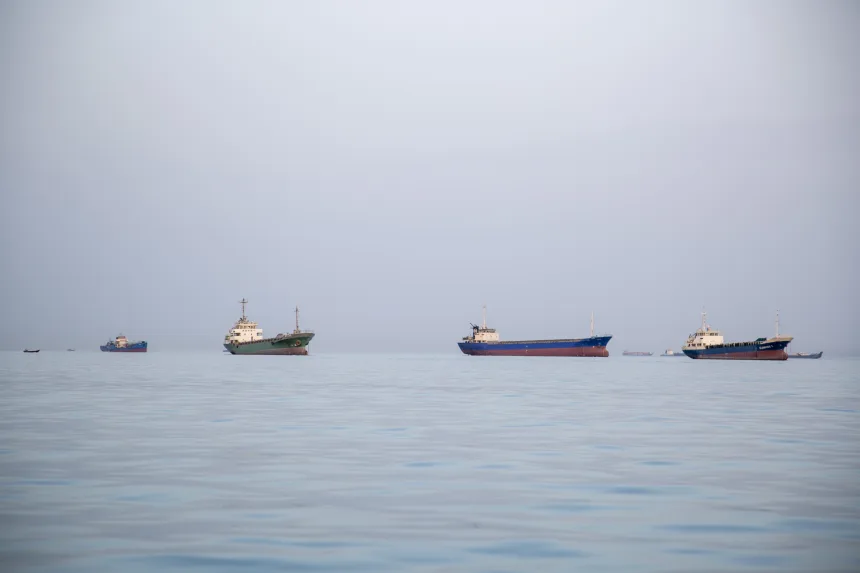
These new plans represent a strategic shift toward "dynamic targeting" of asymmetric assets, specifically focusing on the fast attack boats and minelaying vessels that Tehran has used to effectively disrupt global shipping.
This concentrated effort in the southern Arabian Gulf and the Gulf of Oman marks a departure from earlier operations that targeted infrastructure deeper within Iranian territory.
The primary objective of this revised approach is to neutralize the fleet of small vessels and coastal defense systems that continue to impede commercial transit, which has already caused significant strain on the global economy.
Beyond purely military targets, planners are reconsidering strikes on dual-use infrastructure and energy facilities to force a diplomatic resolution. Additionally, the strategy includes options to target individual Iranian military leaders and other “obstructionists” within the regime who US officials have recently suggested are actively undermining negotiations, including IRGC Commander-in-Chief Ahmad Vahidi.
This planning is necessitated by intelligence suggesting that Iran has utilized the ceasefire to relocate surviving missile launchers and drone stocks to new strategic positions.
Despite the pause in combat that began on April 7, the waterway remains closed to international tankers as shipping brokers remain wary of lingering retaliatory risks. While President Trump has voiced a preference for diplomacy, he has clarified that the ceasefire extension is not “indefinite.”
With 19 ships currently positioned in the Middle East and a naval blockade active since April 13, a Defense Department official noted that “the U.S. military continues to provide the President options, and all options remain on the table.”


0 Comments